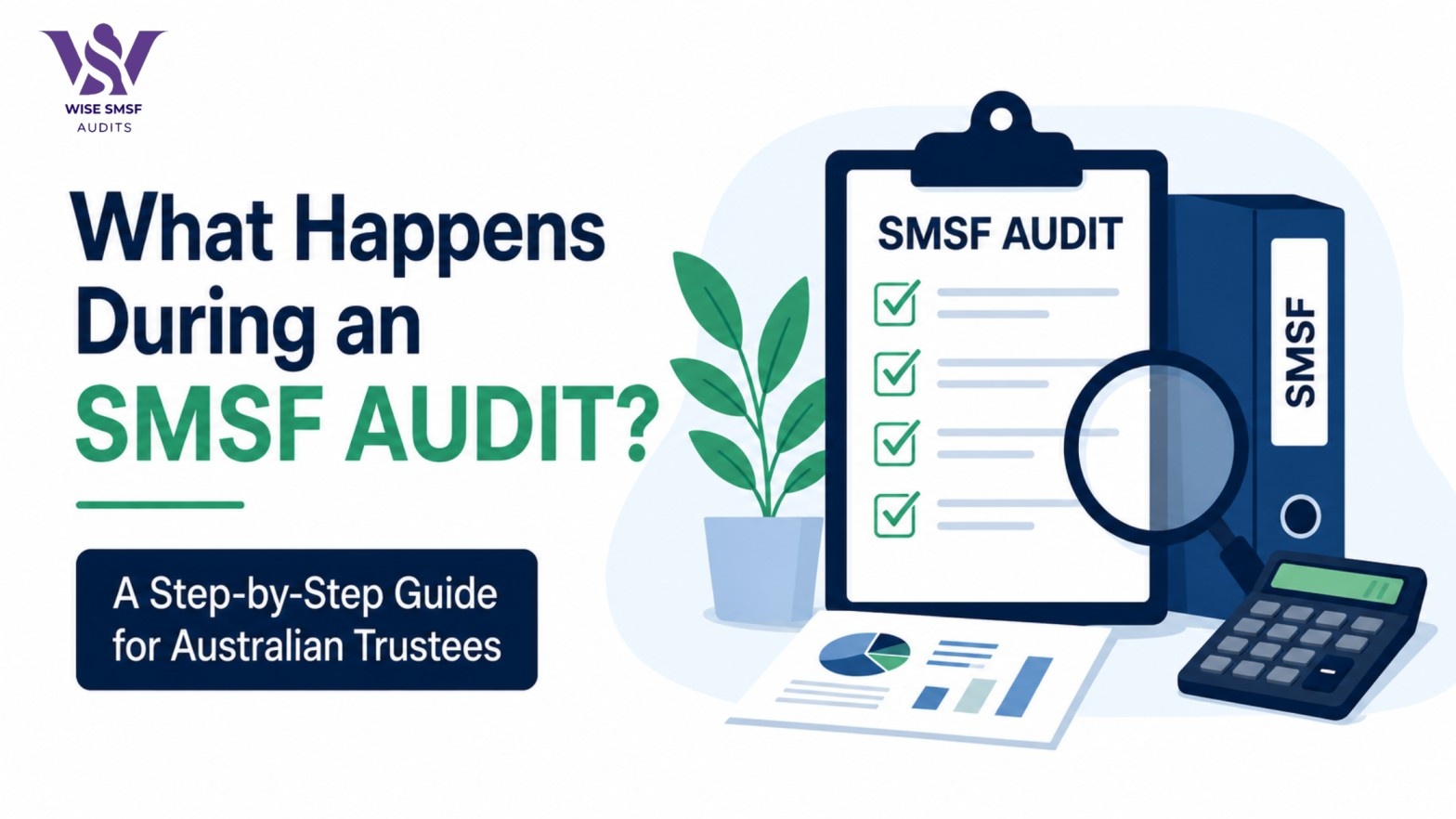
What Happens During an SMSF Audit? A Step-by-Step Guide for Australian Trustees
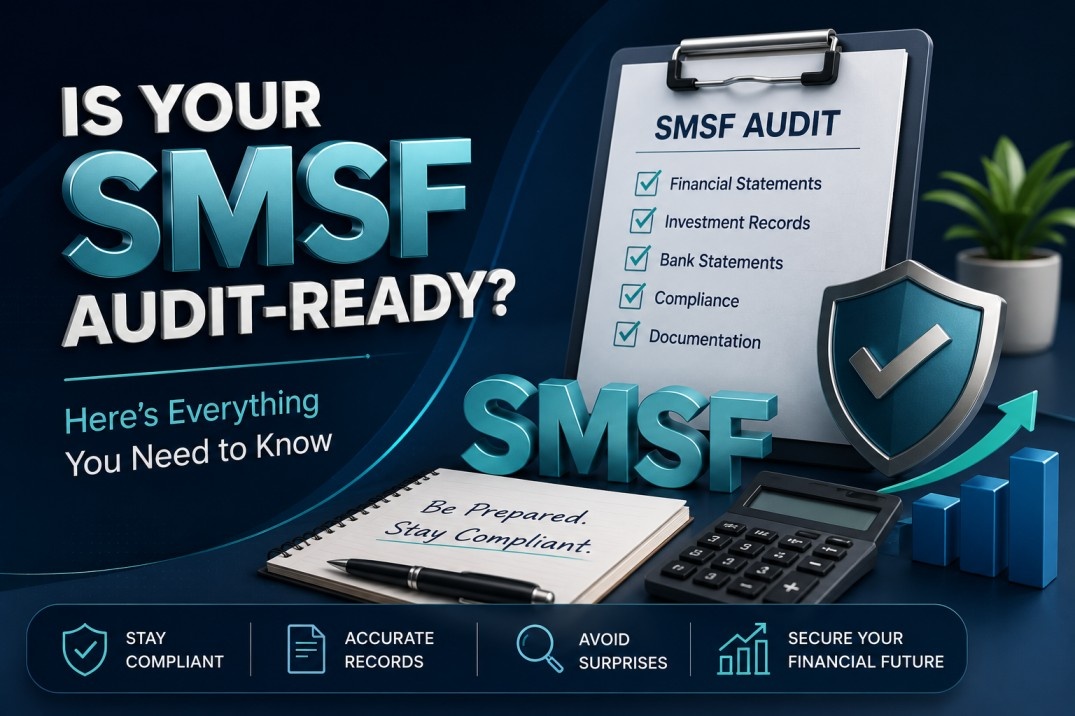
If you have a Self-Managed Super Fund (SMSF), completing an annual audit is a legal requirement under Australian superannuation law.
Each year, every SMSF must be independently audited before lodging its annual return with the Australian Taxation Office (ATO).
In practice, most trustees don’t encounter issues due to deliberate non-compliance. One of the key reasons audits go wrong is because of lack of transparency in the process, resulting in delay, costs overruns, or worse, qualified reports.
We walk you through the entire process of SMSF audits in Australia
Waiting for your SMSF to undergo auditing can be overwhelming, so here is what you need to look forward to:
- Delayed submission of your SMSF annual return
- Reduction in the risk of a qualified audit
- Opportunity to discover and remediate compliance failures
- Reduced risk of non-compliance
Important to know is your SMSF’s compliance risk ultimately is your civil responsibility, and that in no way can be passed on to an accounting or administrative service provider.
Step 1: Choose an ASIC Authorized SMSF Auditor
Trustees may engage an independent SMSF auditor in order to get the process going.
Expectations:
- The auditor is a member of Australian Securities and Investments Commission (ASIC)
- The auditor has no existing relationship with the organization being audited
- Engagement of the auditor must be done at least 45 days prior to the deadline of the SMSF annual return
As a requirement for independence, the SMSF auditor must avoid situations where they audit a fund with which they’re also performing the accountancy or financial services.
Commom Issue:
Engaging an auditor too close to the deadline can affect the entire audit process, especially the submission of the SMSF annual return.
Step 2: Design of Audit
An auditor shall design the SMSF a suite of documentation that supports financial and operational compliance of the SMSF.
The auditor may require:
- Financial and performance related reporting
- Statements of account
- The Trust’s deed and amendments within
- Individual statements
- Records of contributions and pensions
- Investments (e.g. real estate, stocks, managed funds)
The Importance of This Step
Incomplete documentation or inconsistent documentation is the leading cause of delays in audits.
The records prepared concerning the audit contain the records of an easily audited fund.
Step 3: Audit of Financial Statements
The audit of financial statements is a systematic examination of the SMSF's financial statements and its ensuing services.
The activities undertaken by the auditor include ascertaining that:
- The assets exist and are valued correctly
- Financial dealings are appropriately documented
- The income and expenses are documented in a complete and truthful manner
Investments in Real Property
In the case of property investments via the SMSF, the auditor will expect:
- Supporting documents evidencing the market value of the property such as an independent property appraisal and comparable evidence
- Supporting documentation related to the ownership
Additional documentation should include supportable and objective market data (valuations) in line with ATO guidance.
Step 4: Audit of Compliance (Superannuation Law)
In addition to conducting the financial audit, the auditor must assess compliance with the Superannuation Industry (Supervision) Act 1993 (SIS Act).
Key areas reviewed include:
- Sole purpose test (retirement benefit purpose)
- Contribution caps and regulations
- Related party provisions
- In-house assets
- Loans
- Trustee conduct and governance
Even if audits target long-term aspects, any activity providing immediate benefit to members or related parties may result in non-compliance.
Step 5: Identifying Issues or Breaches
Any issues suspected by the auditor will be reported to the trustee or their accountant.
Typical findings include:
- Lack of proper documentation
- Inaccurate or unjustified asset valuations
- Breaches around dealings with related parties
- Breach of contribution rules (excess or ineligible contributions)
Most issues found during an audit can be rectified if addressed promptly.
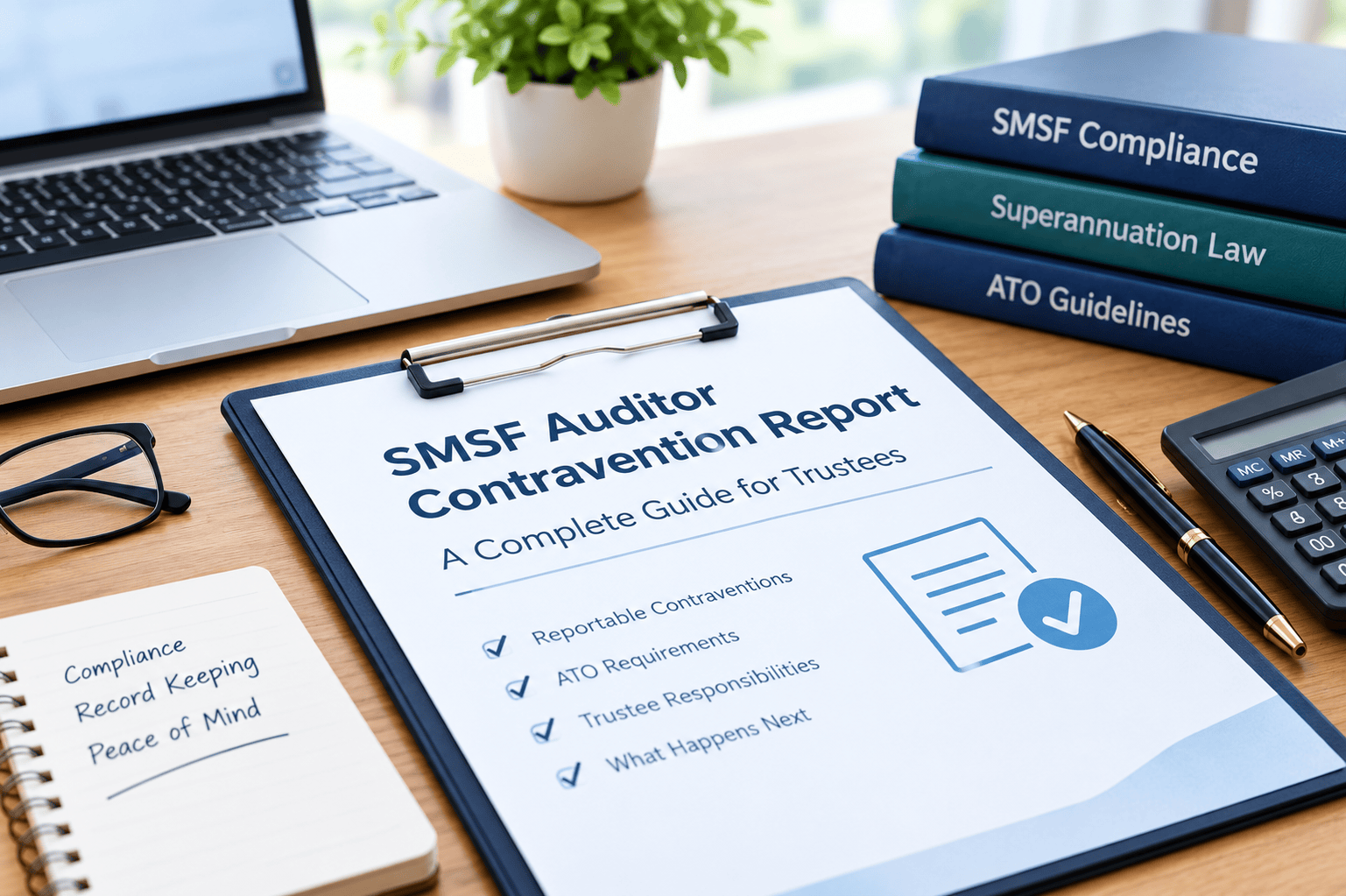
Step 6: Auditor Contravention Report (ACR)
If certain breaches are reported to the ATO, the auditor is obliged to submit an Auditor Contravention Report (ACR).
This occurs when:
- The breach is considered significant
- The breach is yet to be rectified
- The breach is recurring
Commom Issue:
Being reported in an ACR does not automatically mean that the ATO will issue a penalty.
Step 7: SMSF Audit Report Issued
The auditor will issue an audit report at the end of the SMSF audit.
Types of reports:
- Unmodified (unqualified) report – no breaches identified
- Modified (qualified) report – areas of concern or breaches identified
A qualified report does not automatically mean the fund is non-compliant.
Step 8: Lodgement of the SMSF Annual Return
Once the audit is finalized, the SMSF annual return can be submitted to the ATO.
Important Note:
- The audit must be completed before lodgement
- Lodging without a completed audit may result in penalties and compliance action
How Long Does an SMSF Audit Take?
The timeframe depends on the quality of records:
- Well-organized SMSFs: 1 to 2 weeks
- Poor record-keeping: longer time required
The speed also depends on how quickly trustees respond to auditor requests.
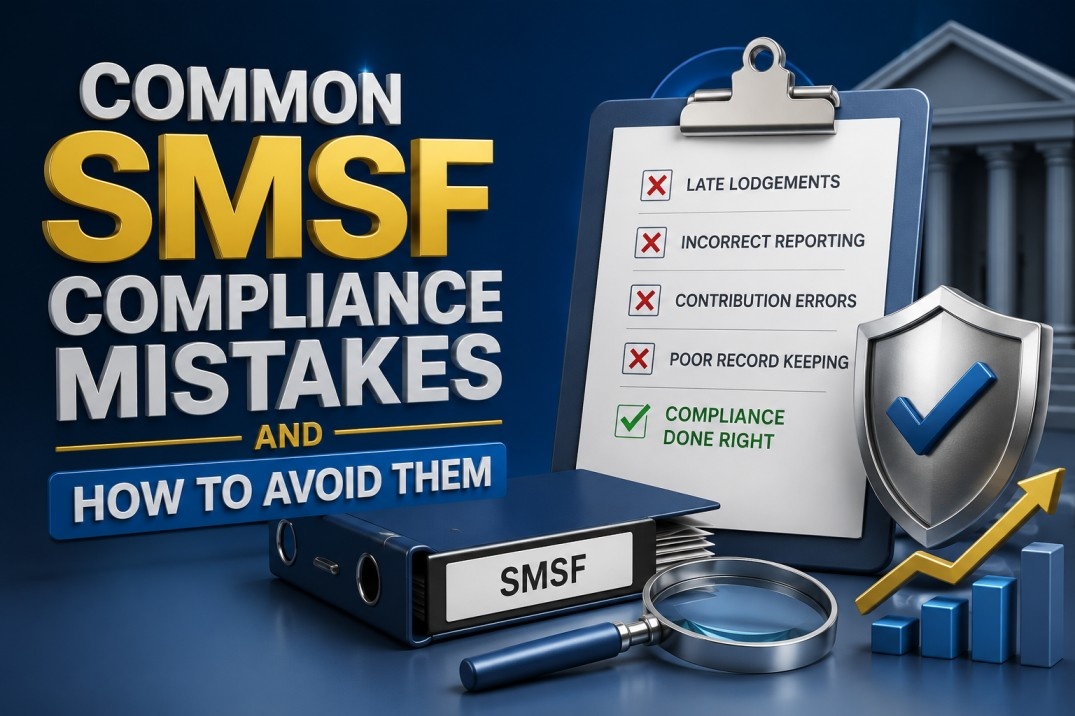
How Trustees Avoid SMSF Audit Problems
Most audit problems can be avoided with good processes.
Good practices include:
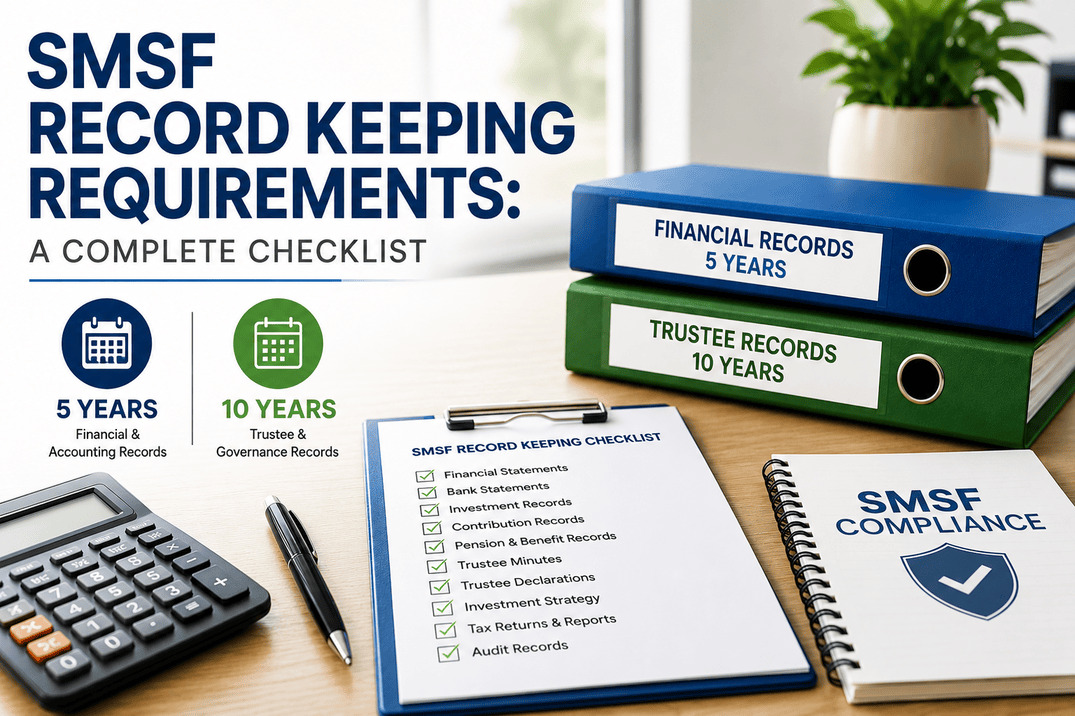
- Keeping records updated and timely
- Maintaining complete documentation
- Monitoring contributions against caps
- Managing related party transactions properly
- Seeking appropriate legal and financial advice
Frequently Asked Questions
Do all SMSFs need to be audited annually?
Yes. All SMSFs must be audited each year by an independent, ASIC-registered auditor.
Can my accountant also act as the auditor?
No. The auditor must be independent.
What happens if my SMSF audit is qualified?
The trustee must address the issues. Some matters may also be reported to the ATO.
What triggers an Auditor Contravention Report?
Material, unrectified, or recurring breaches of superannuation law.
How do I make sure the audit process is smooth?
Keep records updated, respond quickly, and work with qualified professionals.
Conclusion
SMSF audits are essential for compliance with Australian superannuation legislation.
Most breaches are not intentional but result from lack of awareness or poor record-keeping practices.
With proper data, processes, and governance, audits can be efficient and straightforward.
Wise SMSF Audits supports accountants and trustees across Australia with independent SMSF audit services focused on compliance and risk management.
Need Support With Your SMSF Audit?
Wise SMSF Audits provides independent, efficient, and compliant SMSF audit services for accountants and trustees across Australia.
If you’re looking to streamline your audit process and reduce compliance risk, get in touch with our team.