7 Common SMSF Audit Issues That Can Delay Your Annual Audit
An SMSF annual audit is a compulsory activity for all SMSFs operating in Australia. As such, the trustees are supposed to keep the records of their superannuation funds, investments, and other compliance-related documents up to date. Nevertheless, there are various SMSF Audit Issues that could affect the audit process, delaying the procedure and causing extra work for both trustees and accountants.
Understanding common SMSF audit problems early can help trustees avoid unnecessary SMSF audit delays, maintain compliance and ensure a smoother annual audit process.
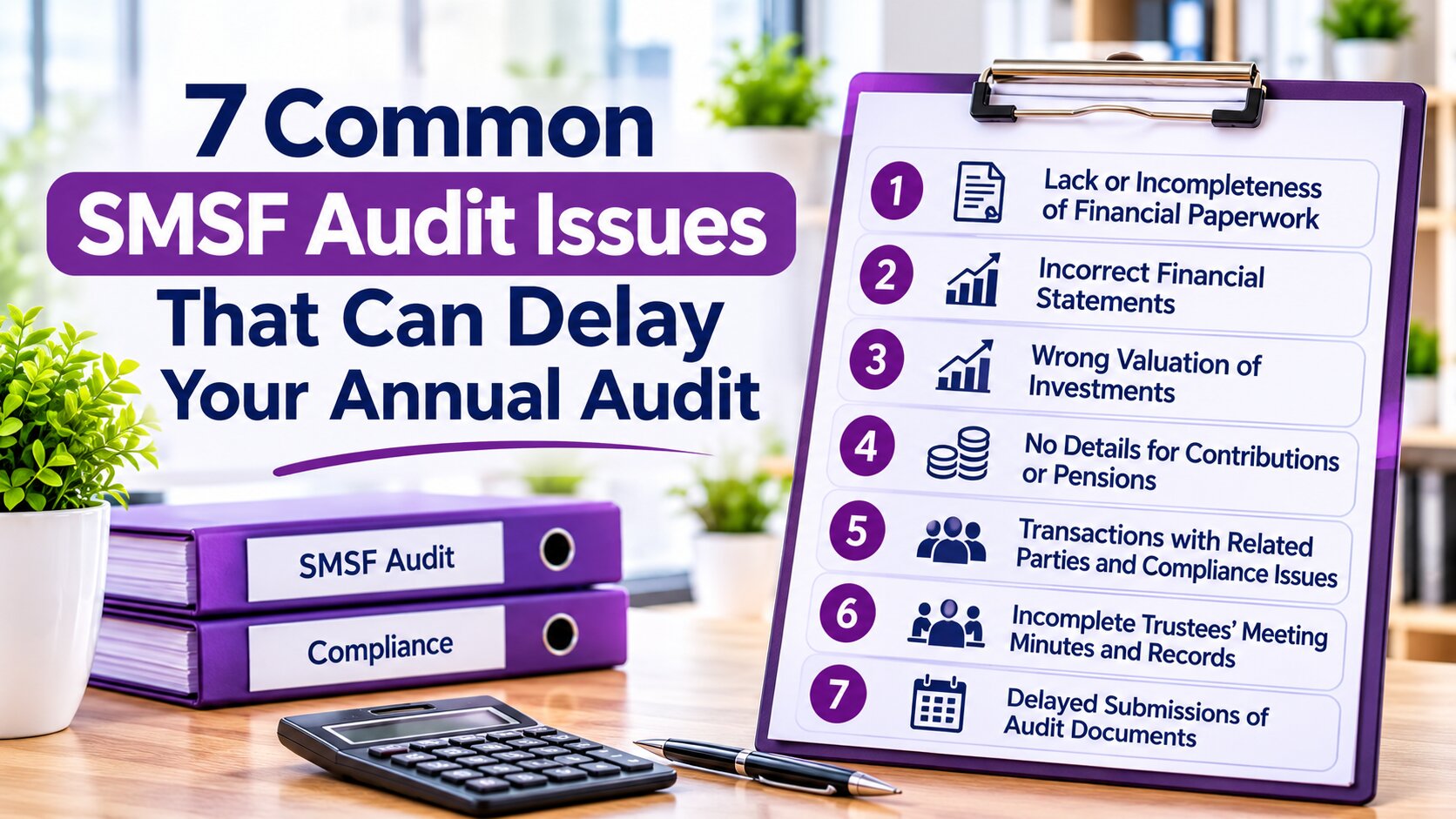
1. Lack or Incompleteness of Financial Paperwork
The most common SMSF audit problems are the lack or incompleteness of financial documentation. This documentation will help the auditor prove the financial standing of the SMSF, as well as its transactional activities and investments.
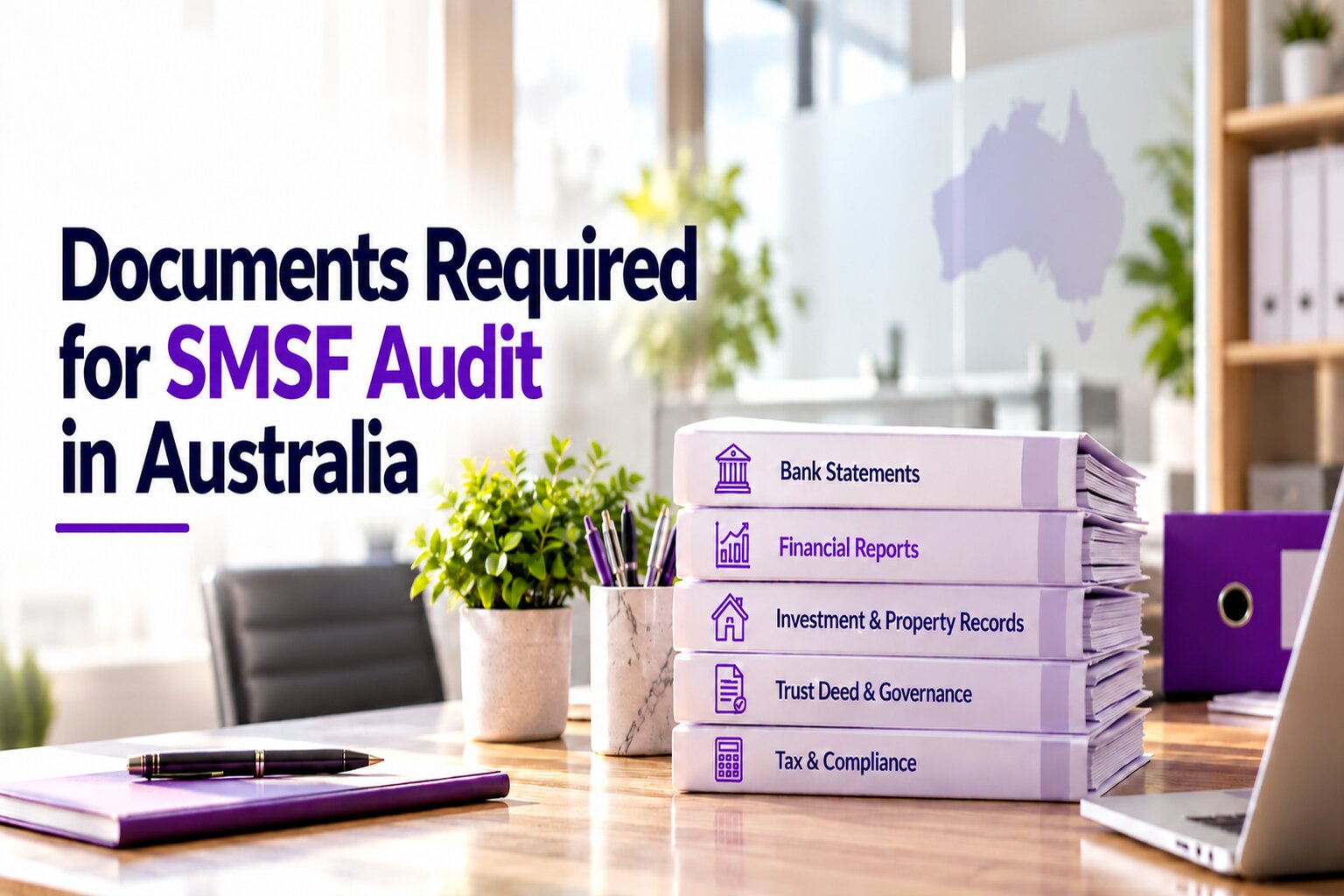
Common examples of the lack of paperwork are bank statements, investment statements, contribution statements, pension paperwork, expenditure statements, and financial statements.
In case of lack of crucial documentation, it might be necessary for the auditor to request additional information, hence, delaying the process of auditing.
How to avoid it: Maintain proper records and make sure to submit all SMSF audit documentation before conducting the audit.
2. Incorrect Financial Statements
When there are any errors in the financial statements, they create problems in auditing processes. Valuation of assets, accounting for income, expenditure, and member balances is all done incorrectly.
This results in a problem in the accuracy of financial reporting and creates issues in the auditing process.
How to avoid it: Checking financial statements, reconciling bank accounts, and making sure all figures mentioned are correct.
3. Wrong Valuation of Investments
The investments made by SMSF should normally be valued at fair market value during the preparation of the annual financial statements. The wrong valuations may prompt auditors’ queries.
This problem typically arises in relation to investments such as property investments and unlisted stocks.
Valuation documents are necessary to enable auditors to determine if the valuations made are correct.
How to avoid it: Proper valuation documents should always be available for all SMSF investments.
4. No Details for Contributions or Pensions
Contribution and pension amounts need to be documented properly for recordkeeping purposes. Misclassifying contributions, failure to document payments, or lack of pension documents is bound to cause SMSF compliance issues.
For instance, lack of detail about contributions or information on pension payments may warrant further explanations before the audit is completed.
How to avoid it: Ensure that all contribution information and payment schedule for pension are accurate through the financial year.
5. Transactions with Related Parties and Compliance Issues
Transactions with related parties involve strict adherence to SMSF regulations. Issues that may arise in connection with in-house assets, transactions, or investments with related parties may result in compliance issues.
The above-mentioned SMSF Audit Issues need further investigation and substantiation before the completion of an audit by the auditor.
The trustees should be aware of the appropriate SMSF audit requirements Australia.
How to avoid it: Regularly review related-party transactions and ensure compliance with SMSF regulations.
6. Incomplete Trustees’ Meeting Minutes and Records
The decisions made by trustees and any important actions taken in the fund should be accurately recorded. The lack of records or trustee meeting minutes, an investment policy or decision-making records will complicate verification by the auditor.
Such records may include trustee meeting minutes, investment policy document, declarations made by the trustees and change records in the fund structure.
Inadequate record keeping will lead to further requests and prolongation of the annual audit process.
How to avoid it: Ensure that all trustee documentation is up to date and keep proper records of decisions taken during the year.
7. Delayed Submissions of Audit Documents
While an SMSF may be running smoothly, the late submission of documentation will result in delays in the annual audit. Incomplete documentation by trustees or accountants, and slow response to questions posed by auditors will delay the whole process.
Delay in submissions might cause unnecessary stress in the run-up to the annual reporting deadline.
How to avoid it: Start working on your documentation early, organize SMSF audit documentation, and submit online.
How to Avoid SMSF Audit Delays
How to Avoid SMSF Audit Issues involves being prepared and organized in record keeping. Trustee and accountant can avoid delays during SMSF audits by observing the following:
- Presentation of financial information prior to the due date of the audit.
- Ensuring the accuracy of bank statements and investments.
- Having accurate trust and compliance information.
- Absolutely checking the valuation of your investments.
- Checking for contribution and pensions information.
- Serving quickly on auditor requests.
- Collaboration with a reliable SMSF auditor.
How Wise SMSF Audits Can Assist
At Wise SMSF Audits, we offer SMSF audit services in Australia to accountants, SMSF administrators and other financial professionals.
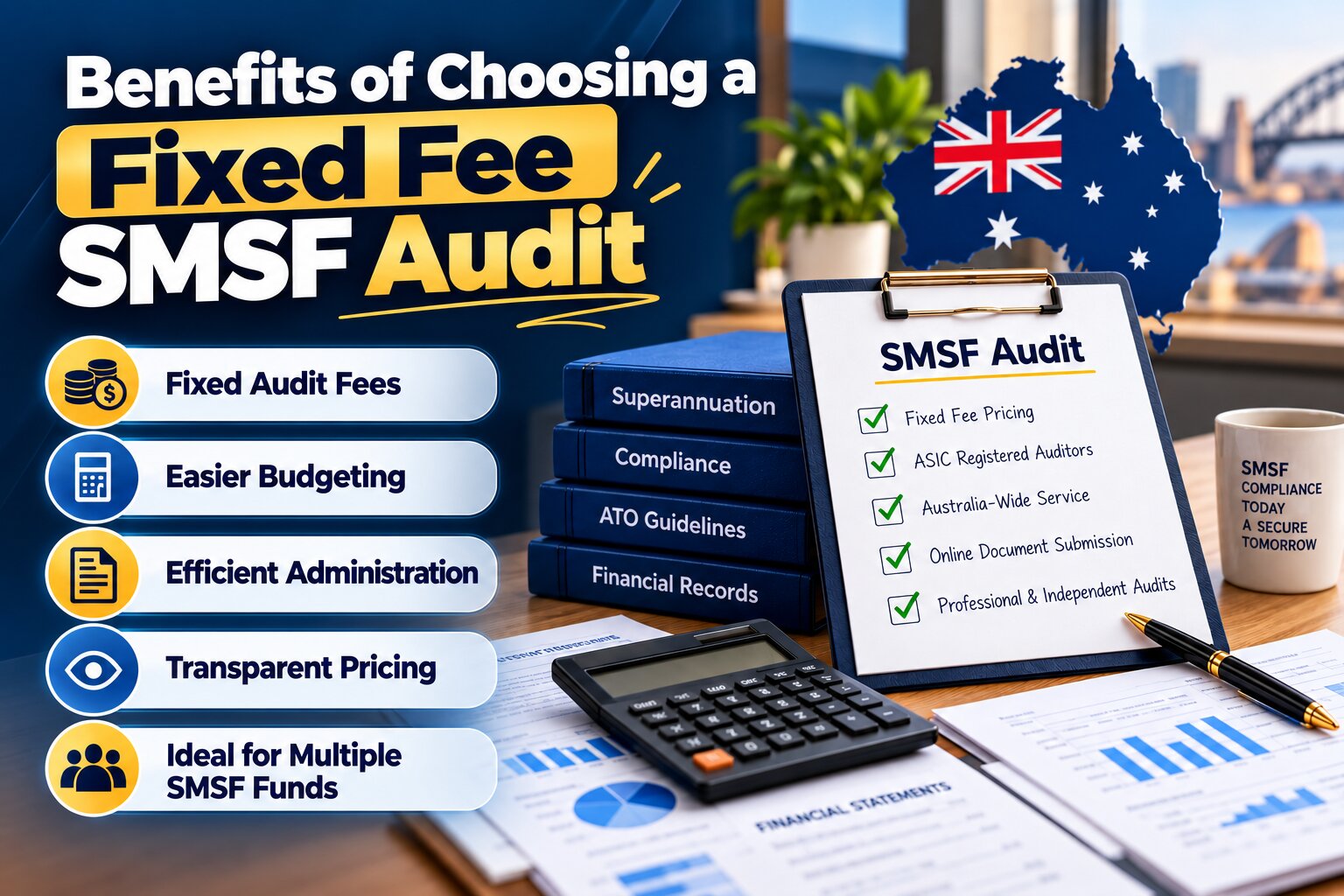
Our service offerings include accuracy, compliance and efficiency in conducting an SMSF audit. Using our services, which come at fixed pricing, online submission of documents and an efficient audit process, you can manage your yearly audit needs easily.
Our online service offering will make submission of documents simple. Working with an experienced SMSF auditor will help find any problem areas and close any gaps in documentation.
Conclusion
Knowing some of the common SMSF audit problems will be helpful in preventing unnecessary delays in the auditing process. Failure to submit documents, erroneous financial statements, investment valuations issues and lack of compliance information could affect the time taken for an audit.
SMSF trustees will be able to organize the annual audit process if they keep proper records and prepare documents before the audit process.
FAQs
1. Common SMSF Audit Problems
Common problems include missing documents, incorrect accounting, poor investment valuation and non-compliance.
2. Why is there a delay in SMSF audit?
Incomplete documentation, incorrect financial records, and delayed answers from auditors’ questions could result in a delay in audit process.
3. How do the trustees avoid any compliance issues with respect to the SMSF?
The trustees should ensure that the records are accurate and also follow the rules of superannuation.
4. Which documents are required for doing an annual audit on the SMSF?
Documents that auditors generally request include financial statements, bank statements, investments, contributions, and documentation for the trustees.
5. In what way can an independent auditor assist the SMSF?
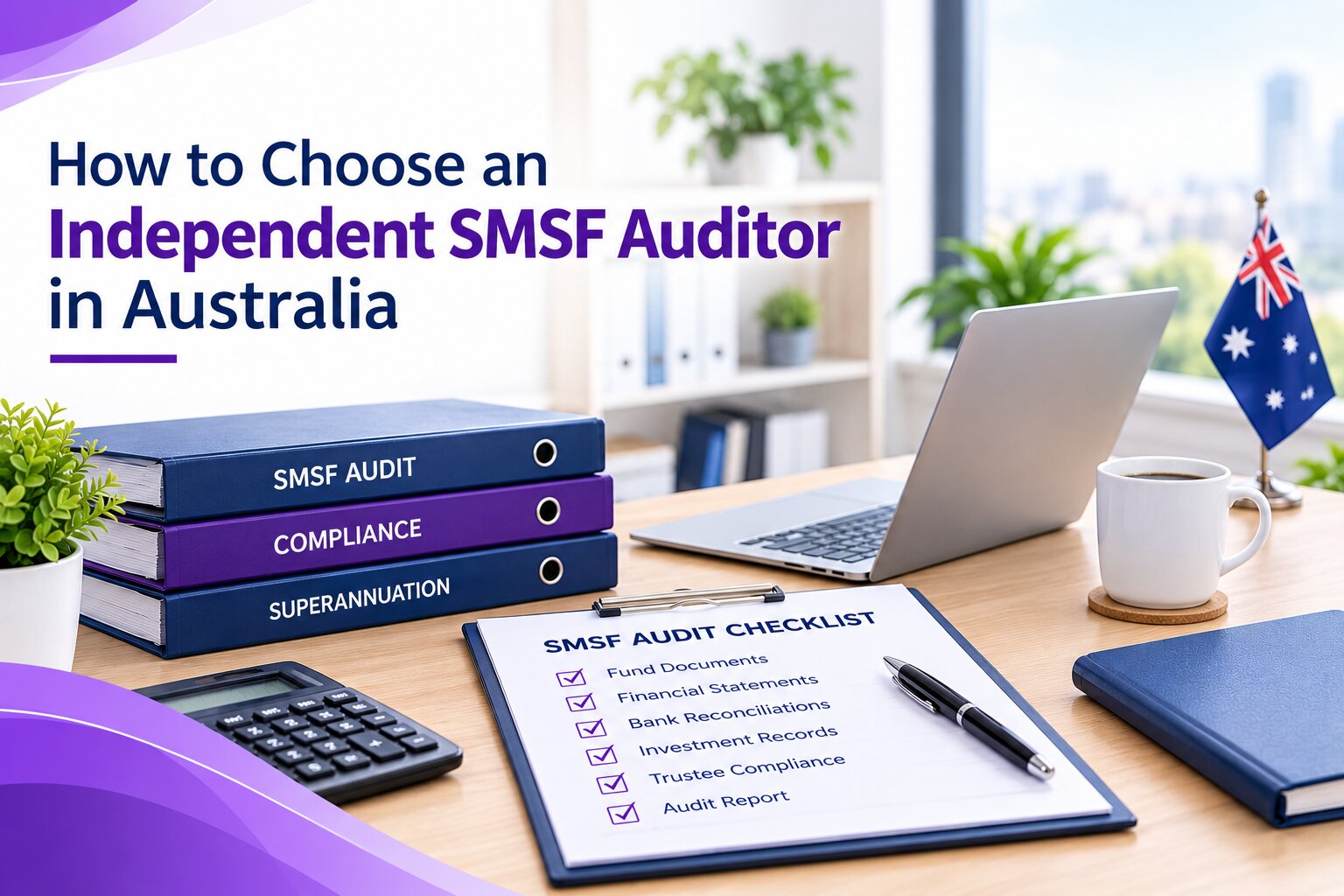
The independent auditor reviews the books and checks whether all the requirements for auditing and compliance have been met.