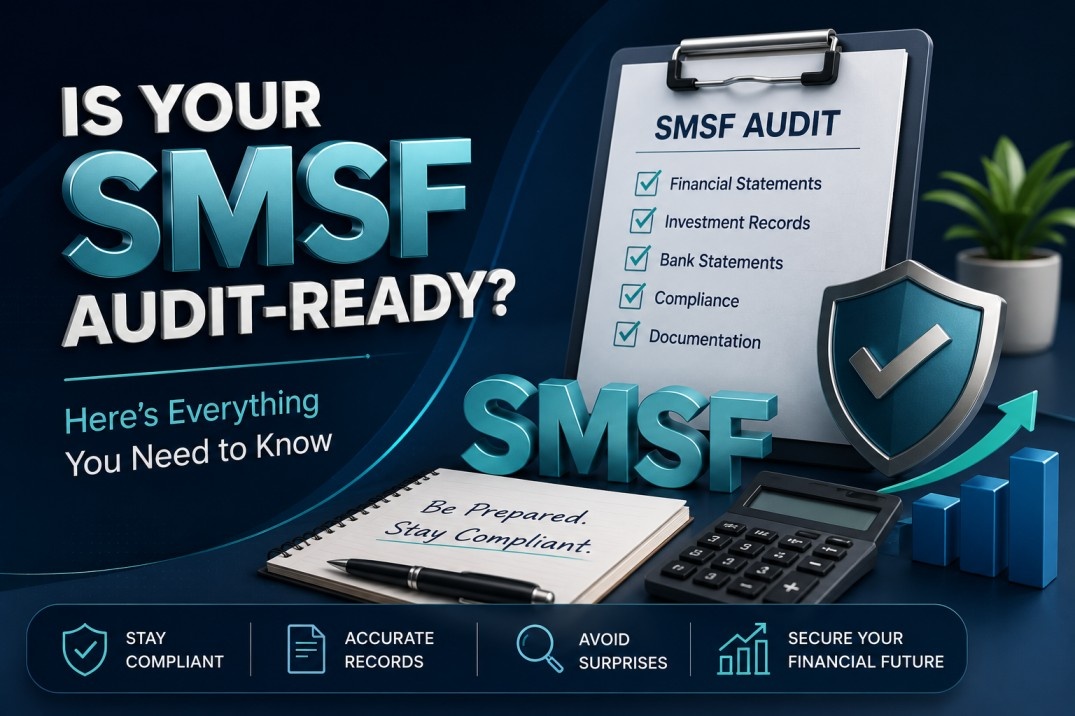
Is Your SMSF Audit Ready? Your Complete Guide to SMSF Audit Preparation in Australia
Every Self-Managed Super Fund (SMSF) trustee has a legal responsibility to ensure their fund is audited each financial year before lodging the SMSF Annual Return with the Australian Taxation Office (ATO). While an annual audit is a compliance requirement, it is also an opportunity to confirm your fund is operating correctly and protecting your retirement savings.
Preparing for your SMSF audit well in advance can save time, reduce stress, and help avoid costly compliance issues. Whether you're an individual trustee, a corporate trustee, or an accountant managing multiple funds, understanding the audit process will make the experience far smoother.
At Wise SMSF Audits, we provide independent, ASIC-registered SMSF audit services for trustees and accounting firms across Australia, delivering accurate, timely, and professional audits you can rely on.
Why SMSF Audit Preparation Matters
Good preparation is the foundation of a successful SMSF audit.
When your financial records are complete and organised, your auditor can complete the review efficiently while identifying any compliance concerns before your annual return is lodged.
Effective SMSF audit preparation helps you:
- Reduce audit delays
- Minimise compliance risks
- Avoid unnecessary ATO scrutiny
- Improve the accuracy of financial reporting
- Ensure legislative obligations are met
- Protect members' retirement savings
Rather than gathering documents at the last minute, trustees should maintain accurate records throughout the financial year.
Understanding the SMSF Audit Process
Every SMSF must be audited by an independent ASIC-registered SMSF auditor.
The audit consists of two key components:
Financial Audit
The financial audit verifies that:
- Financial statements are accurate
- Assets and liabilities are correctly reported
- Income and expenses have been properly recorded
- Member balances are accurate
- Investment valuations are reasonable
Compliance Audit
The compliance audit assesses whether the fund has complied with the Superannuation Industry (Supervision) Act 1993 (SIS Act) and associated regulations.
The auditor reviews:
- Trustee responsibilities
- Investment strategy compliance
- Related party transactions
- Contribution limits
- Pension payments
- Borrowing arrangements
- Sole Purpose Test compliance
- In-house asset rules
- Market valuation requirements
If issues are identified, trustees generally have an opportunity to correct them before they become more significant compliance matters.
Documents You'll Need for Your SMSF Audit
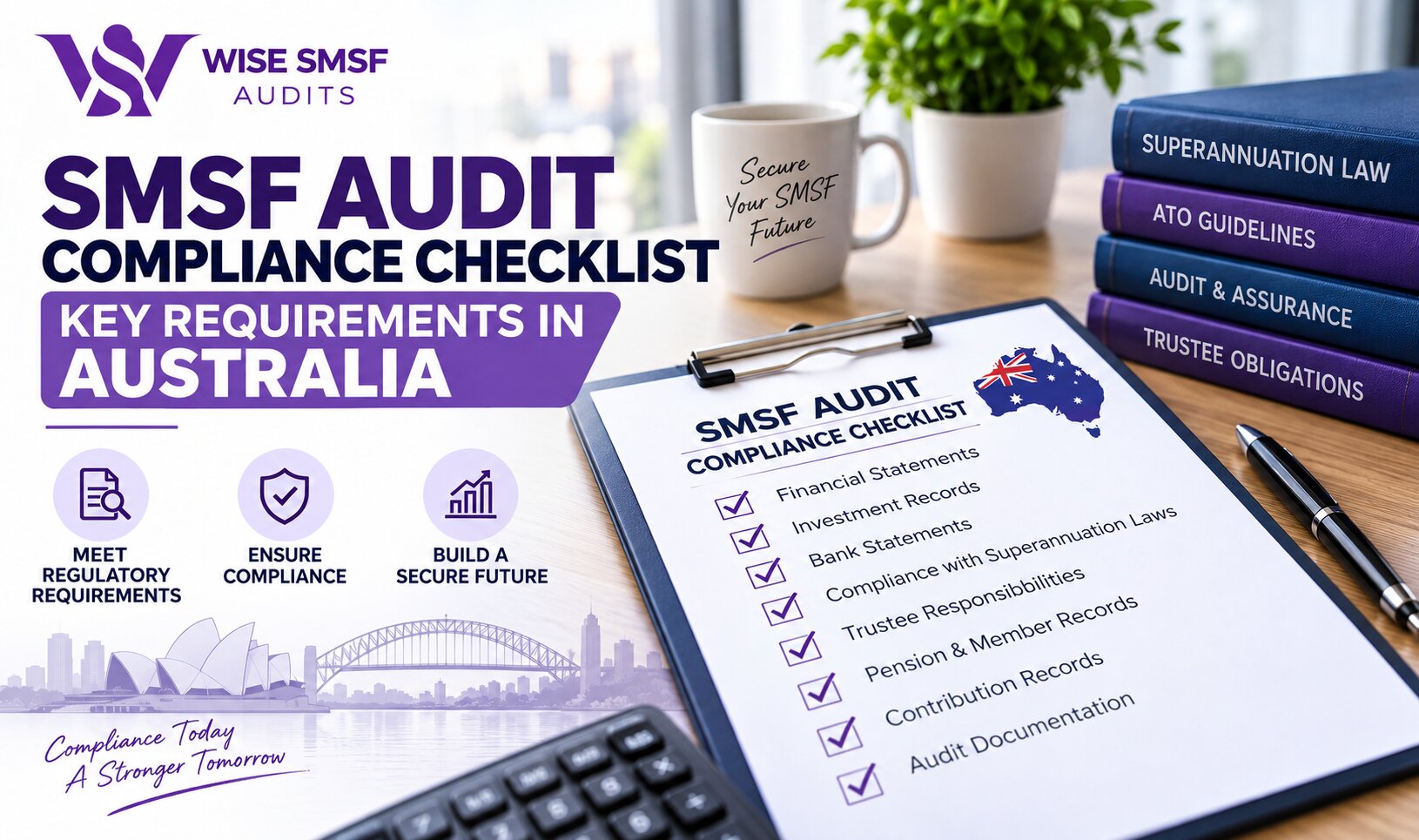
Preparing the following documents before the audit will significantly reduce turnaround times:
Fund Documents
- Current Trust Deed
- Trustee declarations
- Investment strategy
- Trustee minutes and resolutions
- Previous audit reports
Financial Records
- Bank statements
- General ledger
- Trial balance
- Financial statements
- Tax working papers
Investment Records
- Share portfolios
- Managed fund statements
- Property settlement documents
- Rental statements
- Property valuations
- Cryptocurrency transaction reports (if applicable)
- Term deposit confirmations
Member Information
- Contribution records
- Pension commencement documents
- Pension payment schedules
- Benefit payment records
- Rollovers
Keeping these documents organised throughout the year makes the audit process much more efficient.
Common SMSF Audit Mistakes to Avoid
Many compliance issues arise because trustees unknowingly overlook important requirements.
Some of the most common issues include:
Outdated Investment Strategy
An investment strategy should be reviewed regularly and reflect the fund's current investments, risk profile, insurance considerations, and liquidity requirements.
Incorrect Asset Valuations
The ATO expects SMSF assets to be reported at market value each year. Independent evidence should support valuations where required.
Mixing Personal and Fund Assets
SMSF assets must always remain separate from personal assets.
Missing Documentation
Incomplete minutes, missing contracts, or absent supporting documents can delay the audit.
Contribution Errors
Exceeding contribution caps or incorrectly allocating contributions can create unnecessary compliance issues.
Pension Payment Shortfalls
Members receiving pensions must meet the minimum annual pension payment requirements to maintain tax concessions.
Choosing the Right SMSF Auditor
Selecting an experienced independent SMSF auditor is essential.
A quality auditor should provide:
- ASIC registration
- Complete independence
- Extensive SMSF expertise
- Fast turnaround times
- Clear communication
- Practical compliance guidance
- Secure online document exchange
At Wise SMSF Audits, we work with accountants and trustees across Australia, delivering independent audits with accuracy, efficiency, and professionalism.
Best Practices for Ongoing SMSF Compliance
Remaining compliant is much easier when good governance becomes part of your annual routine.
Trustees should:
- Keep financial records up to date
- Review the investment strategy annually
- Record trustee decisions promptly
- Obtain market valuations where required
- Monitor contribution caps
- Ensure pension payments meet minimum requirements
- Retain supporting documentation for all transactions
- Seek professional advice when undertaking complex transactions
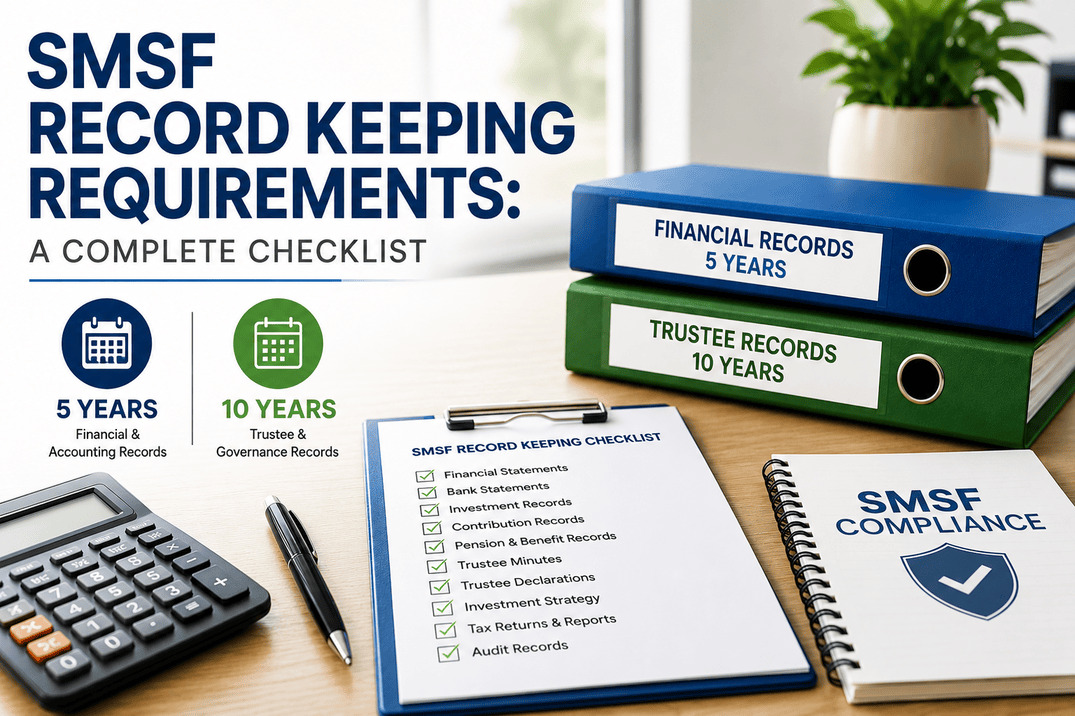
Good record-keeping throughout the year makes the annual audit significantly easier.
SMSF Audit Preparation Checklist
Before submitting your fund for audit, confirm you have completed the following:
- Financial statements prepared
- Bank reconciliations completed
- Investment transactions recorded
- Member balances reconciled
- Investment strategy reviewed
- Trustee minutes prepared
- Property and investment valuations obtained
- Contribution limits reviewed
- Pension payments verified
- Trust deed current
- Supporting documentation available
- Previous audit issues resolved
Completing this checklist before engaging your auditor can substantially reduce audit turnaround times.
Benefits of Preparing Early
Starting your SMSF audit preparation early offers several advantages.
You will:
- Avoid last-minute stress
- Identify compliance issues sooner
- Reduce requests for additional information
- Improve audit turnaround time
- Meet ATO lodgement deadlines with confidence
- Strengthen overall fund governance
Early preparation also gives trustees time to address any issues before they become reportable contraventions.
Why Trustees Choose Wise SMSF Audits
At Wise SMSF Audits, we understand that trustees and accountants value accuracy, independence, and timely service.
Our experienced team provides:
- Independent ASIC-registered SMSF audits
- Australia-wide audit services
- Secure online document submission
- Fast turnaround times
- Transparent communication
- Competitive pricing
- Support for accountants and trustees
Our goal is to make every audit as efficient and stress-free as possible while helping clients maintain full compliance with Australian superannuation legislation.
Final Thoughts
Preparing for your annual SMSF audit doesn't need to be complicated. By maintaining accurate records, reviewing your investment strategy regularly, and engaging an experienced independent auditor, you can significantly reduce compliance risks and ensure a smooth audit process.
Whether you're managing your own fund or working with an accountant, proper preparation will save time, improve governance, and help protect your retirement savings.
At Wise SMSF Audits, we're committed to delivering professional, independent SMSF audit services that trustees and accountants across Australia can trust.
Frequently Asked Questions
Is an SMSF audit mandatory?
Yes. Every SMSF must be audited annually by an independent ASIC-registered SMSF auditor before the SMSF Annual Return is lodged with the ATO.
How long does an SMSF audit take?
Most audits are completed within a few business days once all required documentation has been received, although complex funds may take longer.
What happens if my SMSF fails an audit?
If compliance issues are identified, your auditor will report the findings. Depending on the nature of the issue, trustees may be able to rectify the problem, while significant contraventions may need to be reported to the ATO.
Can my accountant perform my SMSF audit?
No. SMSF auditors must remain independent. An accountant who has prepared the fund's financial statements generally cannot perform the audit due to independence requirements.
What documents should I prepare before the audit?
Prepare your trust deed, financial statements, bank statements, investment records, member statements, property valuations (where applicable), trustee minutes, and supporting documentation for significant transactions.
Why choose Wise SMSF Audits?
Wise SMSF Audits provides independent, ASIC-registered SMSF audit services with fast turnaround times, secure document management, transparent communication, and a commitment to helping trustees remain compliant with Australian superannuation legislation.